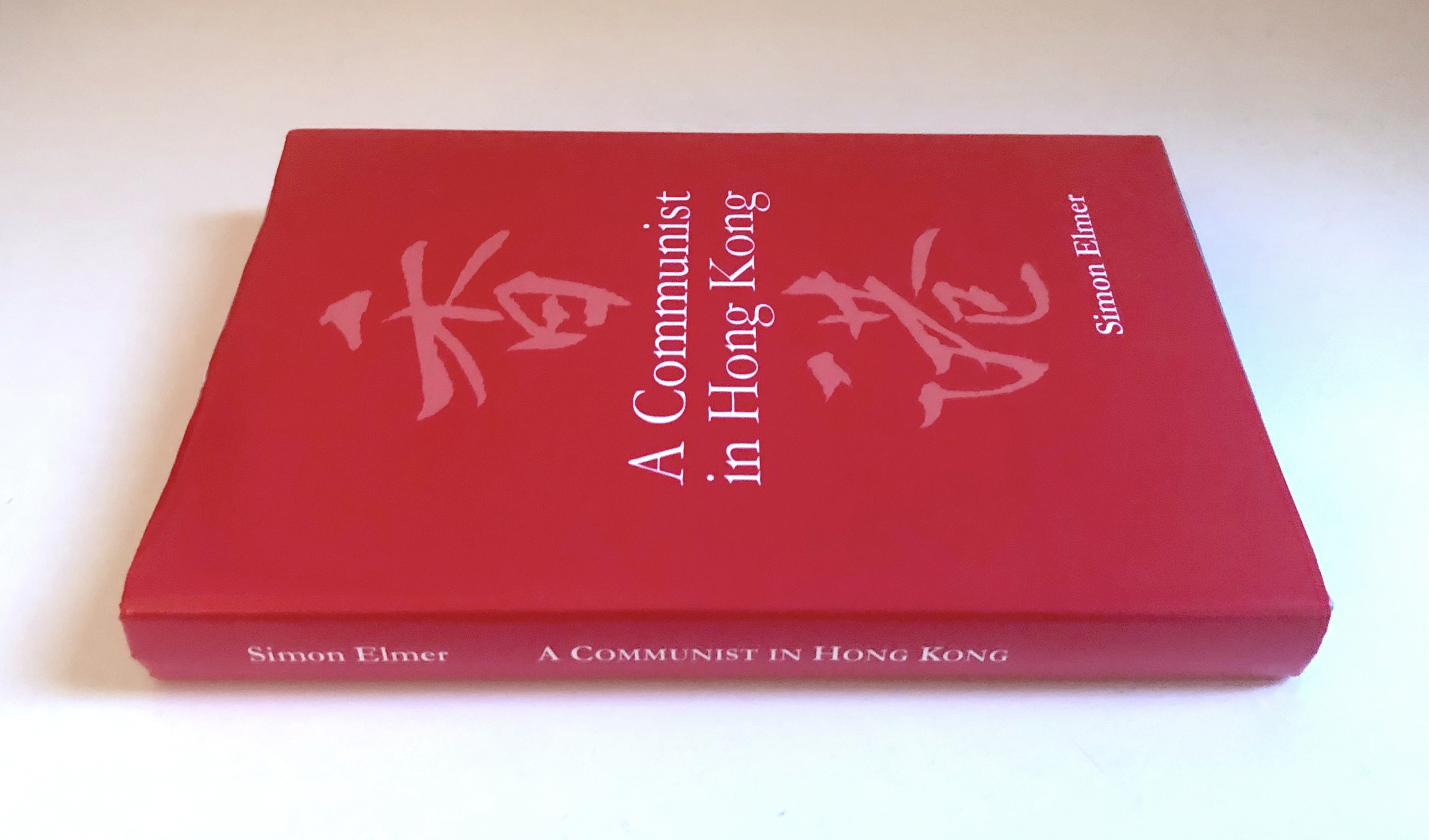
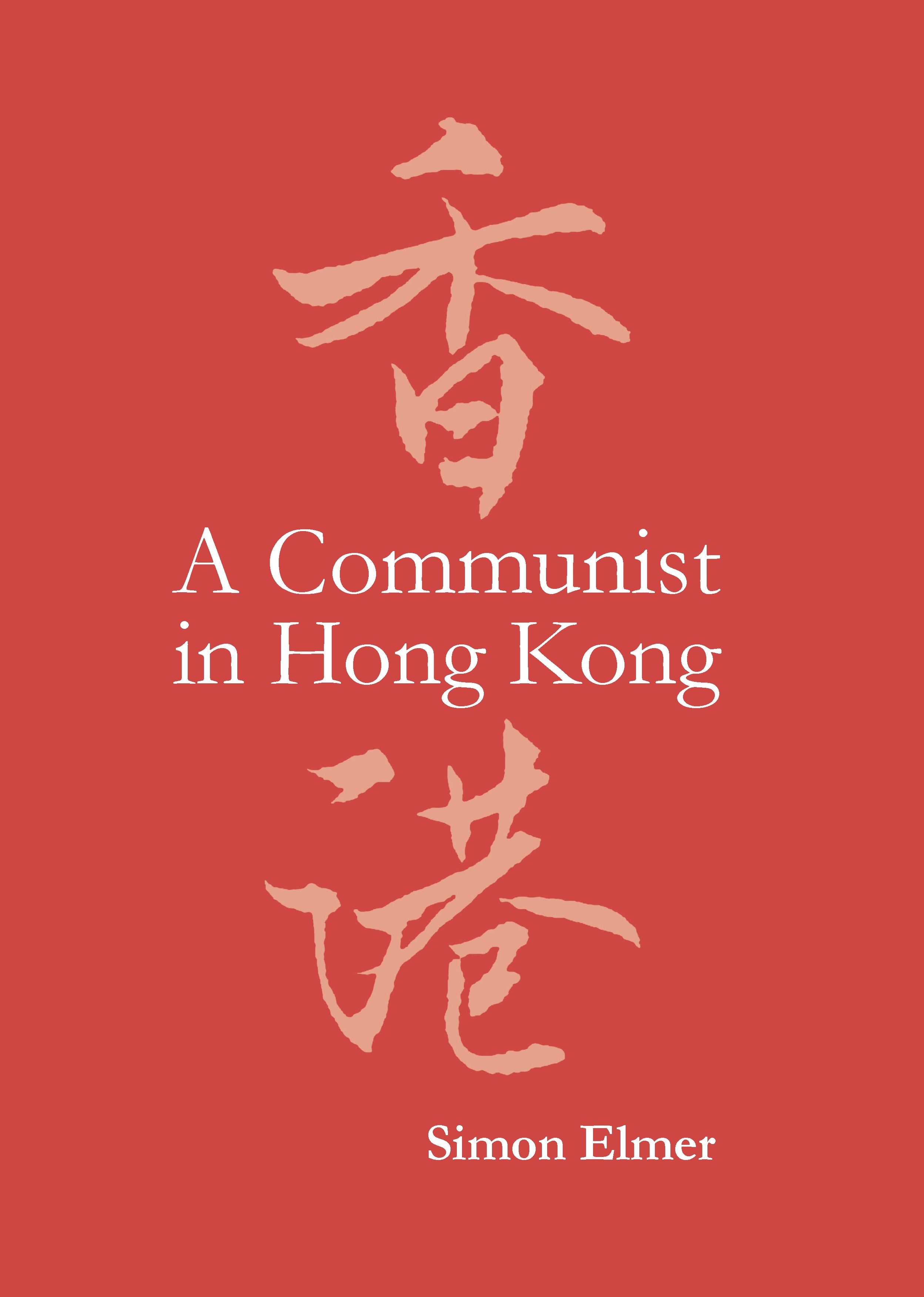
 A Communist in Hong Kong
— October 2026
Preface, poems and notes by Simon Elmer
Calligraphy by Erin Chan
UK Hardback: £20.00
USA Hardback: $27.99
Look Inside
Description
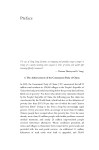
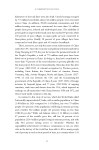
When I first went to live in Hong Kong in January 2024, I quickly realised that to try and write about China in the way I have written about Britain was impossible. My previous books came out of a decade of writing about UK politics; whereas not only the languages, but also the culture, of China were completely foreign to me. It would take me a decade and more even to begin to write anything knowledgeable about the present of that vast, complex and foreign country. I decided, therefore, to write my observations of that foreignness and complexity, and to do so within the form of verse, which is better suited to such a role. I mean these observations to be — and I wouldn’t publish them if I didn’t think they are — more than the passing impressions of the tourist; and while part of what they record is my incomprehension at what I saw, they are framed by the political differences between a rapidly declining West and a resurgent East, and my hopes for the latter.
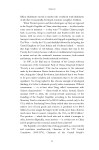
I make no apology for being a poet who tries to understand the world outside the dreamland of woke ideology in which the mass of contemporary poets live and write in the West, or who refuses to repeat the fictions written by far better writers than they at the United Nations, European Commission, North Atlantic Treaty Organization, World Health Organization, Intergovernmental Panel on Climate Change, World Economic Forum and other dream factories of stakeholder capitalism. If poetry still has a role to play other than that of a mouthpiece for these agencies and the ideologies they espouse, it will have to engage critically and knowledgeably with the New World Order they have built on the justification of numerous manufactured crises, rather than continue to parrot its lies and threats. This, my second book of poetry, contains my most recent and concerted attempts to do that in verse.
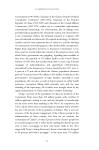
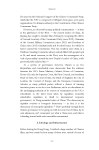
For all these reasons, A Communist in Hong Kong is composed of several elements. The poems, written not only in China but throughout the three years since I moved to Hong Kong, including summers in Europe and winters in Japan, are the backbone of the book. These are not limited to my observations about this strange new world but include, as poetry has a habit of doing, my more personal struggles with being an immigrant again. Two poems reflect on the war in the Gaza Strip, which entered its latest phase three months before I arrived. Several more contain my fears for the Europe I left behind — temporarily, it turns out — and above all for my homeland, Britain. A book on China that doesn’t say something about why I went there wouldn’t make sense, at least not to me. Nor does it seem gracious to publish my often-critical observations of Hong Kong and China without also turning just as critical an eye on that failing polity that has come to be called ‘the UK’. The final poem contains my reflections on the country to which I returned.
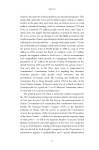
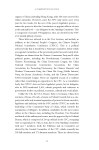
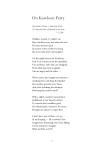
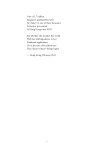
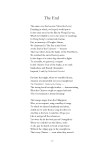
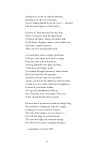
In addition, the book includes an extended preface that challenges many Western beliefs about communist China, as well as a note for each poem that is not explanatory but, apart from identifying some of the poetic and literary references, also relates some of the biographical and historical contexts in which the poem was written. This has allowed me to convey further my impressions of and research on China, as well as on the catastrophe that is overwhelming Europe. In this respect, A Communist in Hong Kong is a document of my time in this strange new world, as well as of my fears for the old world to which I returned; and the poems, therefore, are arranged roughly in chronological order, together with the date of their composition and the place in which they were written or at least started. There are several precedents for an author adding notes to his own poems: T. S. Eliot, most famously, who regretted adding his to The Waste Land (1922); W. B. Yeats in The Tower (1928); and Ted Hughes in Moortown Diary (1979). For me, it has been a way to situate my verse within the extraordinary and extraordinarily dark times in which it was written and is published today. But the poems can be read without them, I hope, and for that reason I have placed the notes at the end of the book, to be consulted or not by the reader.
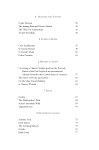
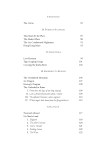
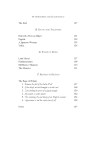
List of Contents
Preface
- Hong Kong and Beijing
- Sai Ying Pun
- News from Gaza
- Guangxi and Yunnan
- Poems of Home
- Return to China
- Japan
- Hong Kong (again)
- Shanghai
- Poems of Solitude
- Shangri-La
- Farewell to Europe
- London
- Shenzhen and Guangzhou
- Kyoto and Takayama
- Poems of Exile
- Return to Britain
Notes
About the Author
Simon Elmer lives between London and Hong Kong. In 2002 he received his PhD in the History and Theory of Art from University College London, and he has taught at the universities of London, Manchester, Reading and Michigan, USA. In 2015 he co-founded Architects for Social Housing, for which he is Head of Research. In 2020 he started documenting and analysing the epochal changes to the societies and political economies of the West instigated under lockdown. Between 2024 and 2026 he lived in Hong Kong, where he wrote the bulk of the poems collected in this volume.
His books include The Great Replacement and the Islamisation of Britain (2026); Culture Wars: Art, Politics and Capitalism (2025); Case Studies in Estate Regeneration: Demolition, Privatisation and Social Cleansing (2025); The Housing Crisis: Finance, Legislation, Policy, Resistance (2025); Architecture is Always Political: A Communist History (2024); Fight and Flight: Poems, 2012-2023 (2023); Notes to Poetry (2023); The Great Reset: Biopolitics for Stakeholder Capitalism (2023); The Road to Fascism: For a Critique of the Global Biosecurity State (2022); two volumes of selected articles on the UK biosecurity state, Virtue and Terror (2023), which collects articles written between April and October 2020; and The New Normal (2023), which collects articles written between November 2020 and October 2021; and with Geraldine Dening, Saving St. Raphael’s Estate: The Alternative to Demolition (2022), For a Socialist Architecture: Under Capitalism (2021); and Central Hill: A Case Study in Estate Regeneration (2018).
Simon’s articles have appeared in Unity News Network, UK Column, Off-Guardian, The Daily Sceptic, Real Left, The Conservative Woman, The Exposé, People’s Lockdown Inquiry and Sublation Magazine. His interviews and presentations about lockdown, the Great Reset and replacement migration can be found on the podcasts of The Delingpod, Panda, UK Column, Brokenomics, London Bitcoin Space, Elevate, Campfire Conversation, On the Fringe, Trish Wood is Critical, Tom Nelson, Thinking Coalition, Think Twice, Common Knowledge, Planet-Uplift, Radically Human, Jerm Warfare (TNT Radio), Jason Olbourne (TNT Radio), Reality Check Radio, Doc Malik, Sonia Poulton, Staying Free, Forum for Democracy International, Kerry Hopkins, Wise Women Weekdays, Life Skills Support Group and Mise Éire.
Publication Details
Publisher: Vektor Publishing (October 2026)
Distributed by IngramSpark
Language: English
Hardback: 292 pages | 18 plates of calligraphy
ISBN 978-1-80867-034-3 (hardback)
Dimensions: 5.5 x 8.5 in | 14 x 21.6 cm