One can only visit Kyoto for the first time
xxxxxxxxOnce in a lifetime
xxxxAnd we are virgins in the hands
xxxxOf a Japanese courtesan.
Near the canal, in a tempura restaurant,
xxxxOur pleasure is so apparent
xxxxThe chef, a master of his art,
xxxxxxxxVisits our table.
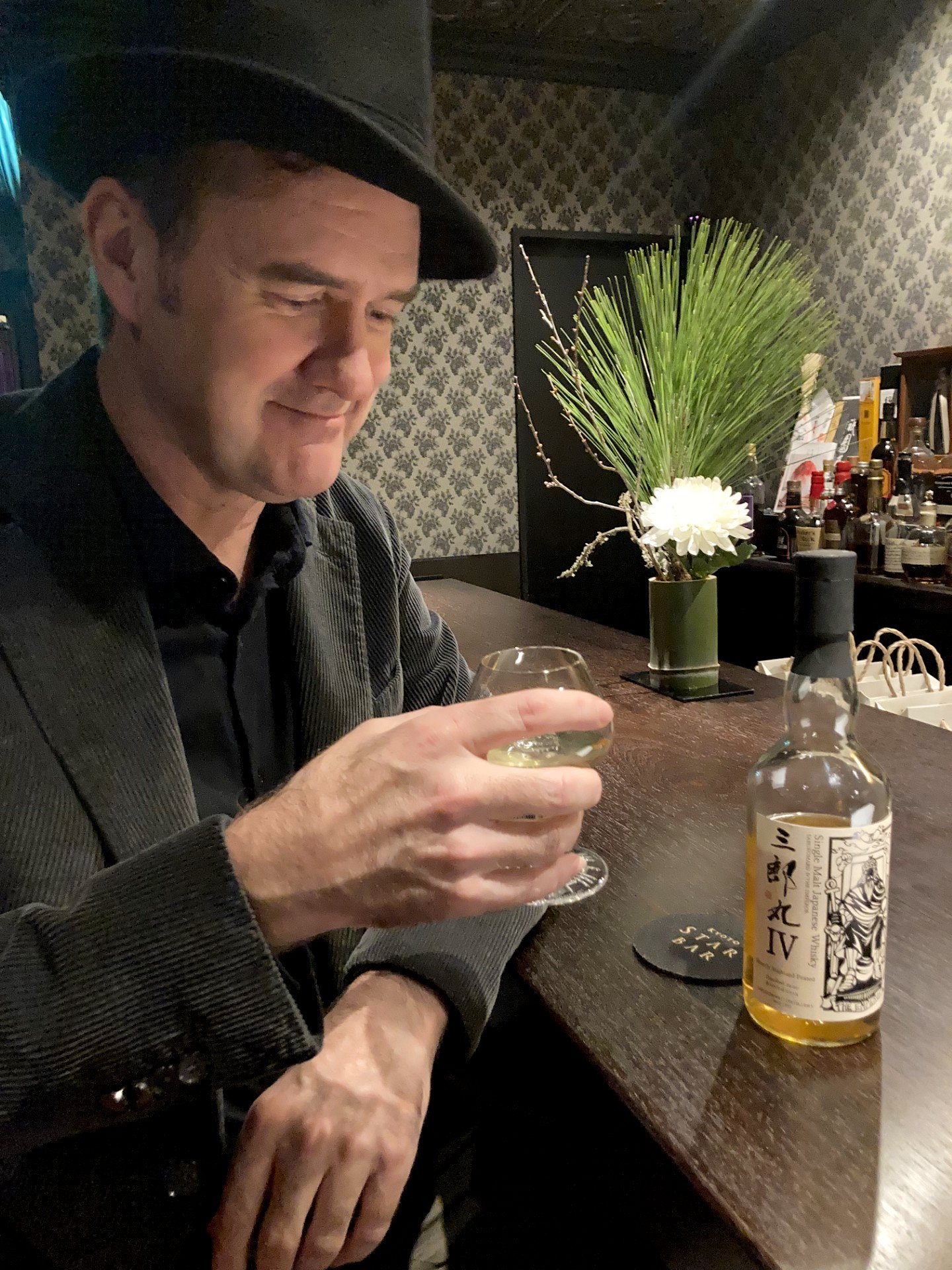
And the barman who serves me Japanese whisky
xxxxxxxxIn this flower town
xxxxFollows us out into the street
xxxxWhere he bows as we walk away.
To a bowl’s vibration, a monk sings his blessings
xxxxIn a hall of lacquer and gold
xxxxCarved with a thousand images
xxxxxxxxResembling nothing.
And I, who entertain my clients from a book
xxxxxxxxOf useless knowledge:
xxxxHave I found, at last, a temple
xxxxWhere poetry could be useful?
— Kyoto, December 2024
• • • • •
Before 1750, Japanese geisha — which means ‘artist’ — were men, and their trade was to bring pleasure to clients through their mastery of different performing arts, including singing, dancing, playing musical instruments and the art of conversation. By 1800 the profession had become associated exclusively with women, largely from the working classes, and with it the arts of love and the skills of the upper-class oiran or courtesan.
Kyoto is the capital of Japan’s geisha culture, with an estimated 100 geiko, or master geisha, and 100 maiko, or apprentices. These live and work in a hanamachi or ‘flower town’, of which there are five in Kyoto. Although we weren’t entertained by either, what we in the West would refer to as employees in the service industry of Kyoto — waitresses, bartenders, concierges, maîtres d’hôtel and chefs — seemed steeped in the geisha’s spirit of artistry, elegance, service, politeness and formality.
 Simon Elmer